
Long Island paint protection film installers at Detailing Dynamics are encouraging drivers to consider protecting their vehicles ahead of the upcoming winter season, as concerns grow over potentially heavy snowfall, deteriorating road conditions, and the damage caused by salt, sand, and flying debris.
There’s already plenty of talk about what this winter might bring to New York and Long Island. Rumors of another particularly snowy season have been circulating, and we’re already seeing signs throughout local communities advertising for snowplow operators and seasonal winter maintenance crews. While it’s impossible to know exactly how much snow we’ll receive, the preparations are certainly a reminder that winter is right around the corner.
And after what we experienced last winter, it’s understandable why people are paying attention.
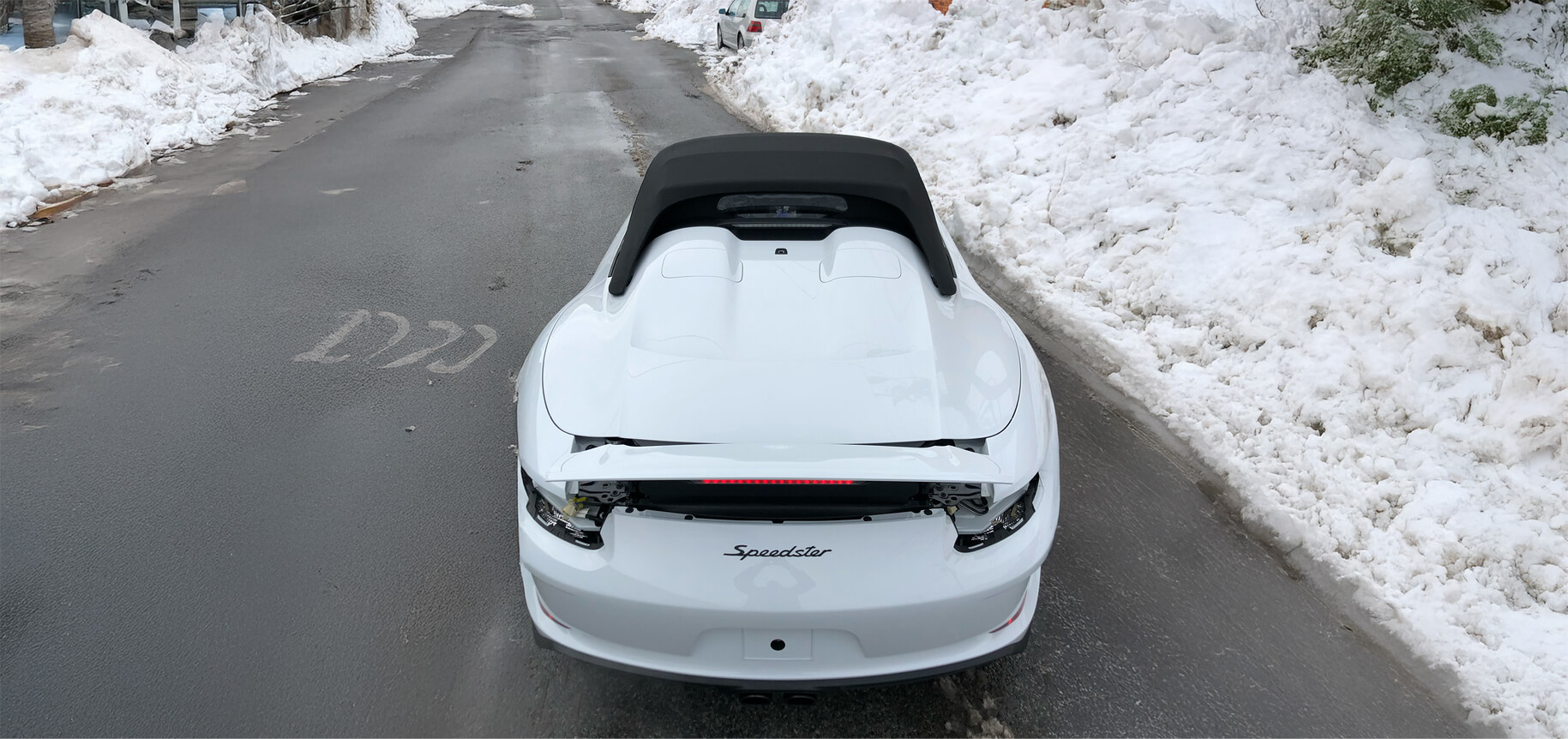
Why Long Island Drivers Should Consider Paint Protection Film Before Winter
Between the snow-covered streets, difficult cleanup efforts, vehicles getting stuck, and the general disruption that comes with significant snowfall, Long Island drivers know how quickly winter weather can turn an ordinary commute into a headache.
But there’s another side to winter driving that doesn’t always receive the same attention: the damage these conditions can cause to your vehicle’s paint.
At Detailing Dynamics, we receive calls and inquiries throughout the year from customers interested in paint protection film, commonly known as PPF. The questions are usually pretty straightforward. Do I really need it? How does it work? How long does installation take? Is it worth the investment?
One question that comes up quite often is whether paint protection film is necessary for an everyday vehicle. After all, not everyone drives a Ferrari, Porsche, or Lamborghini. Some of our customers drive a Toyota, a BMW, or a vehicle they simply use to get back and forth to work.
Our answer has always been the same. The value of protecting your vehicle shouldn’t necessarily be determined by the price of the vehicle itself.
Whether you drive a six-figure sports car or an everyday commuter, the roads don’t discriminate. Rocks, loose gravel, construction debris, road salt, and other environmental hazards can damage just about any vehicle’s paint.
And when winter arrives, the combination of road treatments, freezing temperatures, and deteriorating pavement can make those risks even more significant.
For drivers looking to preserve their vehicle’s appearance, protect its original finish, and potentially maintain its resale value, having paint protection film installed before the worst of the season arrives may be one of the smartest preventative measures they can take.
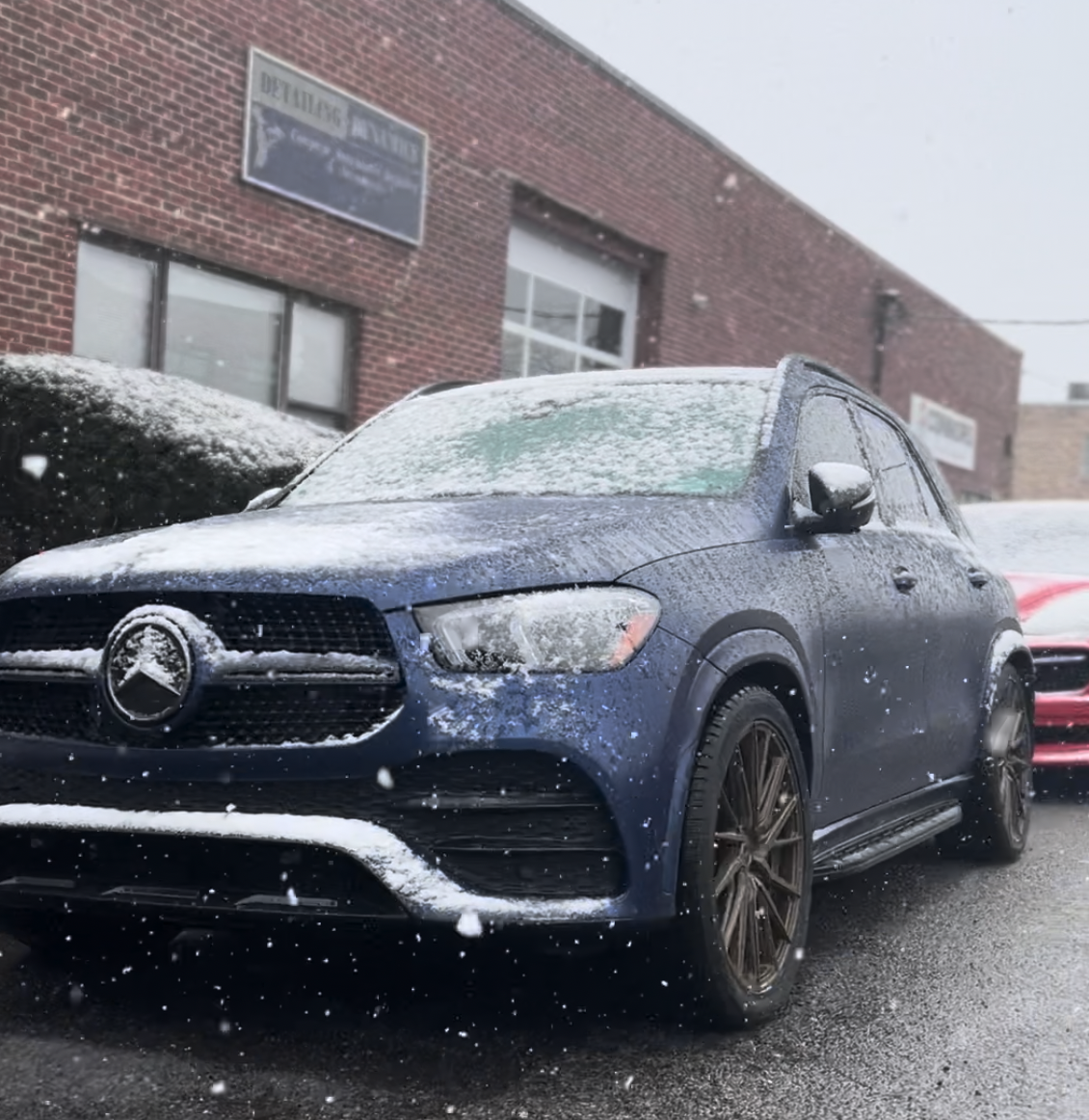
Long Island Roads Have Improved, But That Doesn’t Mean They’re Damage-Free
To New York State’s credit, we’ve seen considerable improvements to some of our major highways in recent years. Portions of the Long Island Expressway, along with other heavily traveled roadways, have undergone much-needed repairs and resurfacing. These improvements are certainly appreciated, especially by those of us who spend a considerable amount of time behind the wheel.
But that doesn’t mean we’re out of the woods.
There are still plenty of local roads with potholes, deteriorating pavement, loose debris, and ongoing construction. Even recently repaired roads can develop new problems, particularly when temperatures begin fluctuating between freezing and thawing.
And sometimes, road conditions can change without much warning.
Take what happened on the Long Island Expressway in May 2026. A large sinkhole opened near Exit 49N in Melville, partially swallowing the front end of a vehicle and forcing the closure of several westbound lanes. The incident was a reminder of just how unpredictable our roadways can be.
Of course, we’re not suggesting that paint protection film could save a vehicle from falling into a sinkhole. That’s clearly beyond what any protective film is designed to do.
The point is that there are plenty of variables on the road that drivers simply cannot control.
We can control how carefully we drive, how we maintain our vehicles, and what precautions we take to protect them. What we can’t control is the condition of every road we travel or the debris another vehicle might send flying in our direction.
Why This Winter Could Be Particularly Tough on Your Vehicle’s Paint
Whether the predictions of a snowier winter prove accurate or not, the challenges facing Long Island drivers remain largely the same.
Road salt, sand, gravel, and other abrasive materials are frequently used to improve traction during icy and snowy conditions. While these treatments are necessary for safer driving, they can also contribute to exterior wear.
Consider what happens when you’re driving behind a pickup truck with oversized tires or a commercial vehicle traveling at highway speeds. Loose stones and other debris can be picked up from the roadway and thrown directly toward the vehicles behind it.
It doesn’t necessarily matter how carefully you’re driving. Sometimes, all it takes is being in the wrong place at the wrong time.
Over thousands of miles, these seemingly minor impacts can accumulate into noticeable stone chips, scratches, and a sandblasted appearance across the front of your vehicle.
This is exactly the type of damage paint protection film is designed to help prevent.
And it’s why we encourage Long Island drivers who care about their vehicles to consider installing PPF before winter road conditions become a daily concern.
About the author : Long Island Paint Protection Film Expert

Related Posts


Latest videos
Join our mailing list today
Become a part of The Detailing Dynamics Family.
Get Updates on Specials and Events!